Hero Introduction
Inside a hollowed-out shelter in Nova Scotia, I met the legacy of the Black Loyalists not in theory — but in earth, frost, and memory. Chapter 11 of The Gullah Geechee Saga is about more than war. It’s about return.
Featured Quote
🖊️ I Stepped Into a Dugout Cabin in Nova Scotia — And Came Out Holding a Freedom Rewritten
By Amadu Massally
Author of The Gullah Geechee Saga: Through African Eyes
In Preston, Nova Scotia, I bent low and entered a dugout cabin — the kind that once sheltered the Black Loyalists who fled slavery in the American South during the Revolutionary War.
It wasn’t a museum moment. It was a reckoning.
These weren’t just names in the Book of Negroes. These were people who had followed the Redcoats, not for empire, but for the faint scent of freedom. They were promised land and liberty. What they got was frost, rejection, and rocky plots no one else wanted.
And still — they built.
Inside that small shelter carved into the earth, I felt something older than sorrow. I felt memory holding its breath.
From Nova Scotia to Sierra Leone
Later, I stood in Freetown, Sierra Leone — the place where many of them later returned, carrying their rice knowledge, their prayer songs, and their resilience.
I met descendants who still bore the names.
The accents.
The quiet defiance.
And it hit me —
they weren’t going backward.
They were completing something.
The Story Inside the Book
This lived moment is now part of:
Chapter 11 — Between War and Freedom: Black Patriots, Black Betrayal
in my upcoming book:
The Gullah Geechee Saga: Through African Eyes
The chapter traces the path:
• From the Revolutionary War
• To Nova Scotia
• To Sierra Leone
— revealing the agency, betrayal, and return woven through the journey.
What the Dugout Cabin Taught Me
What I learned, crouched in that dugout cabin, was simple:
The Black Loyalists didn’t just survive history.
They rewrote it.
And when I stepped into their shelter, I realized —
I’m part of that story too.
About the Book
The Gullah Geechee Saga: Through African Eyes is not just history.
It is:
• A cultural return
• A historical reassembly
• A story braided across continents
— told from within.
Amadu Massally
Historian & Author
Amadu Massally is a renowned historian specializing in the transatlantic slave trade and the deep historical connections between Sierra Leone and the Gullah Geechee people of the American South.

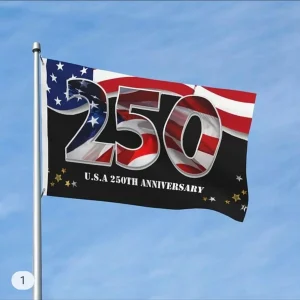
America’s 250th Anniversary and the Atlantic Ledger
America’s 250th Anniversary and the Atlantic Ledger: Freedom, Rice, and the Hidden Witness of Bunce Island
America at 250
America at 250: How Sierra Leone’s Rice Coast Powered the Treaty of Paris
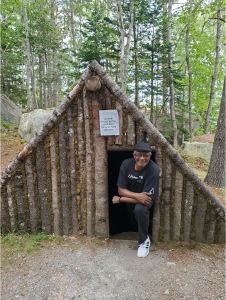
I Entered a Dugout Cabin — And Stepped Into a Story the Textbooks Forgot
I Entered a Dugout Cabin — And Stepped Into a Story the Textbooks Forgot: Where the Cold Kept Memory, and the Earth Spoke Their Names
The Rice Coast of West Africa
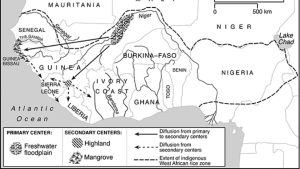
How West African rice farmers shaped the Carolina Lowcountry and funded America’s founding through centuries of agricultural expertise along the Rice Coast.
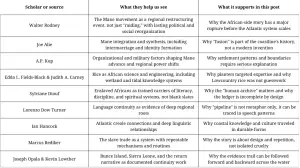
Mali → Mane → Rice Coast: the expertise pipeline predates Carolina.
West African rice expertise traveled from Mali through the Mane migrations to the Rice Coast — long before Carolina planters claimed it as their own.